Where Sell Magnetic Stripe for Screen in America
IT was hard out there for checkout clerks.
In the early age of modern credit cards, they had to write down account data for each card-carrying client by hand. Later, they in use flatbed imprinting machines to record the card information on carbon paper packets, the healthy of the swiping of the plow earning them the name, zip-zap machines. (They were also dubbed "knuckle-busters" away the unfortunate clerks WHO skinned their fingers on the embossing shell.)
And how could clerks tell whether the customer was good for the purchase? They couldn't. Charge card companies would circulate a list of bad account numbers each month, and the merchandiser would have to compare the customers' card game against the list.
The comer of the magnetic stripe denaturized all that. An early 1960s origination for the most part credited to IBM, the magnetic stripe allowed banks to encode card information onto magnetic tape laminated to the noncurrent. It paved the way for lepton payment terminals and chip cards, offering more surety and real-metre authorization while fashioning it easier for businesses of all sizes to accept cards. That thin band has remained a fixture on billions of payment card game for decades, just as technology has evolved.
But now the attractive grade insignia is reaching its termination date with Mastercard becoming the front payments network to phase it out.
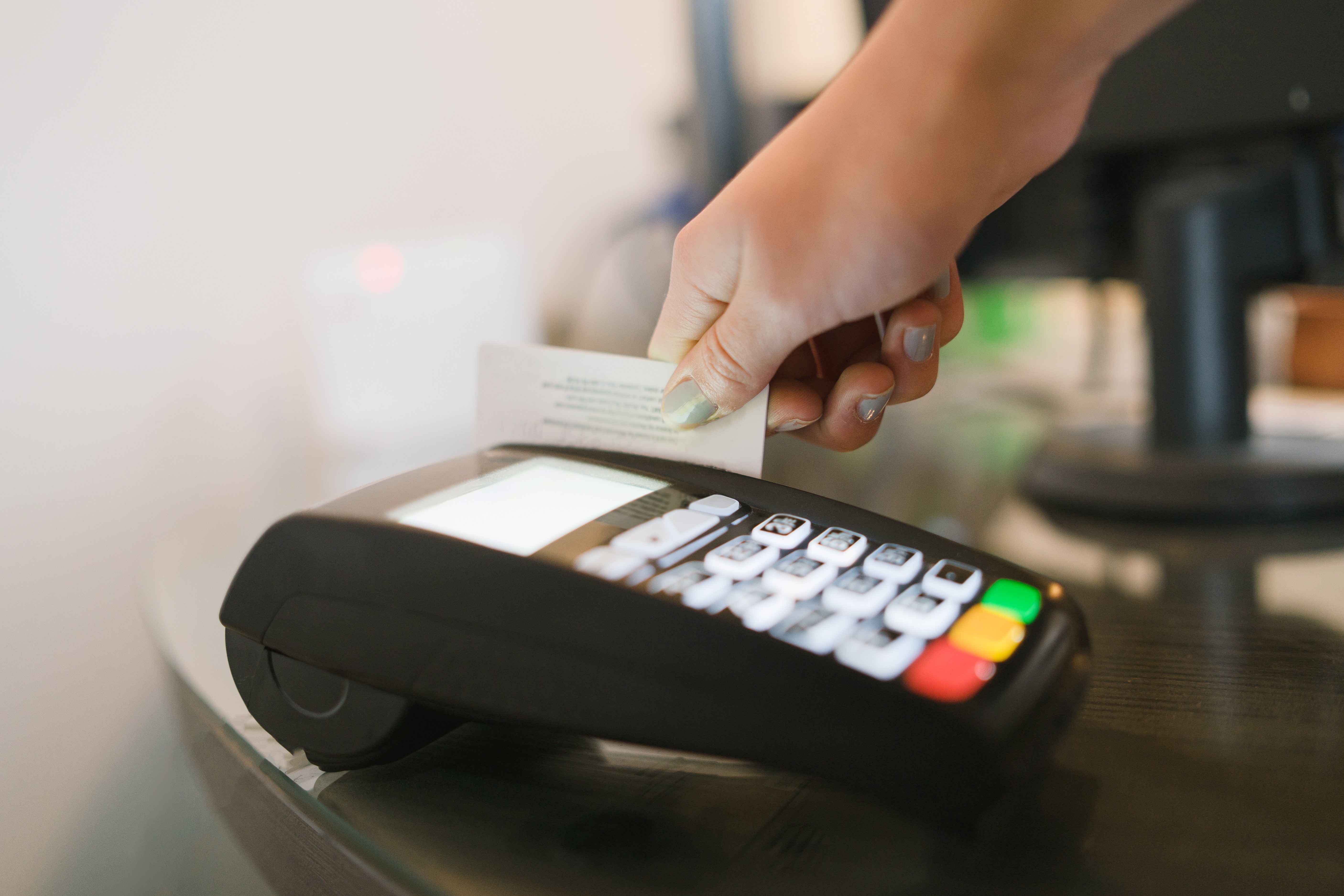
The teddy outside from the magnetic stripe points to both consumers changing habits for payments and the development of newer technologies. Today's knap cards are powered by microprocessors that are much Sir Thomas More capable and secure, and many are likewise embedded with tiny antennae that enable contactless transactions. Biometric card game, which merge fingerprints with chips to verify a cardholder's indistinguishability, tender another layer of security.
Supported on the decline in payments power-driven away magnetic stripes after chip-based payments took hold, newly-issued Mastercard credit and debit cards leave not be required to have a banding starting in 2024 in virtually markets. Away 2033, no Mastercard credit and debit cards bequeath let magnetic stripes, which leaves a long runway for the unexpended partners WHO still depend on the technology to phase in chip card processing.
Crediting account
Paying on credit is a construct that dates back thousands of years to agrarian cultures, predating even paper money. In the early 20th century, department stores, gas stations and even airlines offered argentiferous "shopper's plates" operating room card game to its customers, but the first modern universal payment posting debuted in 1950. The cardboard "charge" card could cost used at any participating merchant and featured the cardholder's name, treat and account number.
By the end of the decade, other merchants and banks started issuing their own card game, including the first plastic credit card in 1959. The teller would take an form of the card and send the newspaper publisher copy for reconciling and billing, a operation that was retard and open to human error.
In the 1960s, IBM saw the potential of coding information onto cards via mag tape. That technique was already existence ill-used for audio recordings and estimator disk storage before it was brought to cards.
According to IBM lore, engineer Forrest Parry couldn't work out how to mix up a strip of the tape to a plastic identity card for the CIA and mentioned IT to his married woman, who suggested using her thin iron to melt the strip to the badge. It wasn't just the kind of hardware IBM would be noted for, but it worked.
Splintering away at advisable security
Even before the ascendency of the magnetic stripes, engineers had been pursuing the idea of a card powered by a computer chip that could execute the complex calculations that would enable even stronger security measures.
The first chip card made its unveiling in France in the 1960s, just it took eld to catch on. One major problem — different chip cards didn't work with every time period. That led to the development of a global EMV chip engineering science authoritative. .
Today, for all transaction, the chip creates a unique transaction code, which is validated by the issuing bank to ascertain that the genuine add-in is used. That tech also increases the security measur of a cardholder's information.
Since the late 1990s, with the introduction of the EMV standard, buffalo chip cards started decorous the preferred manner to pay. Nowadays, EMV chips are used for 86% of face-to-court card transactions globally.
More than than one-half of Americans prefer victimisation a chip card payment at a terminal over any other defrayment method, with security beingness the driving factor, accordant to a Dec survey for Mastercard by the Phoenix Consumer Monitor. That was followed by contactless payments — with a card or a appendage wallet. Only 11% same they desirable to swipe, and that drops to 9% when looking at cardholders with experience exploitation contactless payments.
And in a July study by Phoenix, 81% of American cardholders surveyed according they would be comfortable with a card that does non have the magnetic streak, and 92% would increase operating room keep usage of their cards the same if the magnetic stripe was no longer on the card.
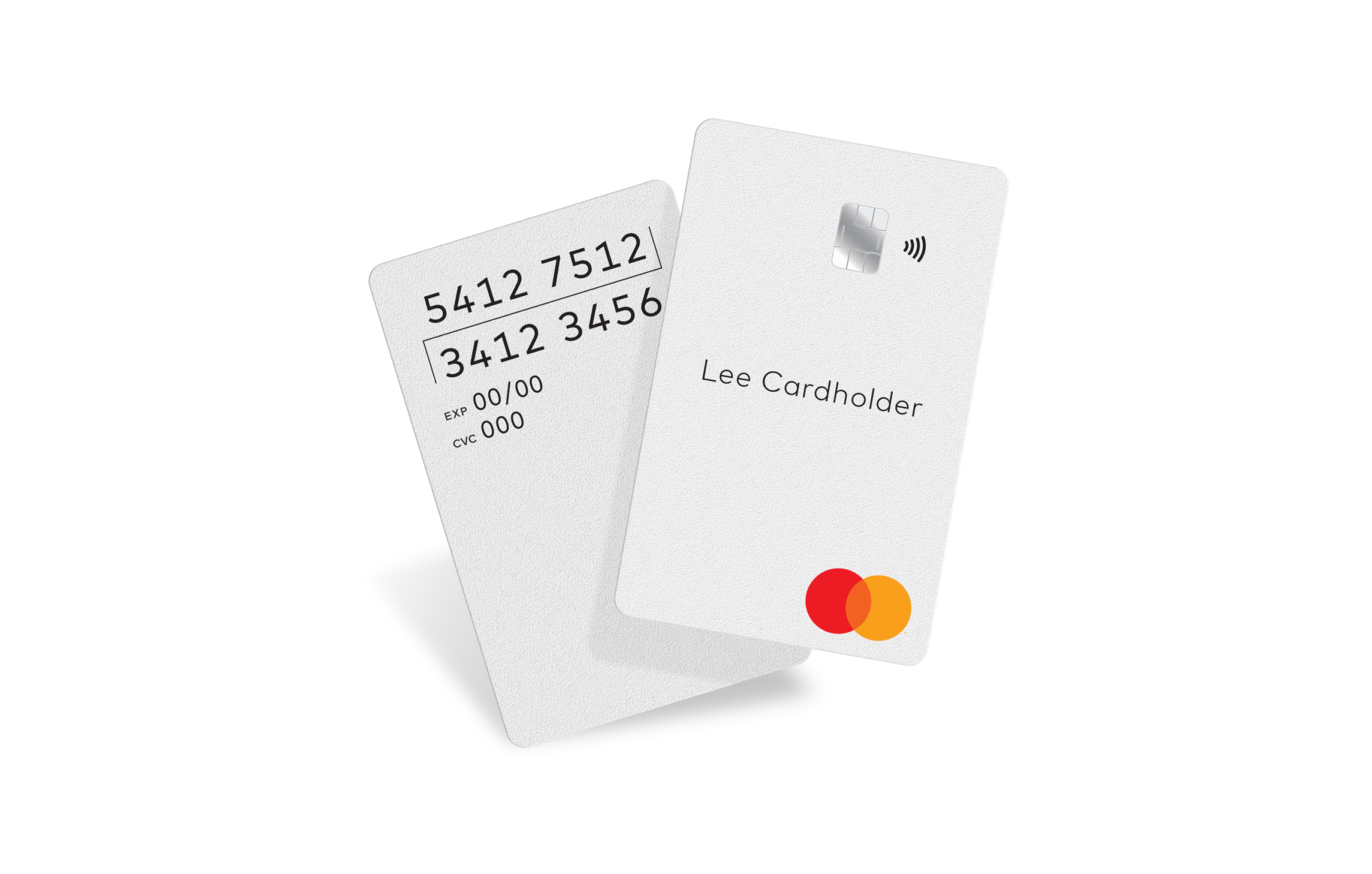
The attractable stripe will start to disappear in 2024 from Mastercard payment cards in regions, such A Europe, where knap card game are already widely used. Banks in the U.S. bequeath none longer be required to issue chip card game with a attraction stripe, starting in 2027.
"It's time to in full embrace these best-in-class capabilities, which ensure consumers can pay just, fleetly and with peace," says Ajay Bhalla, president of Mastercard's Cyber & Intelligence business. "What's best for consumers is what's first for everyone in the ecosystem."
By 2029, none late Mastercard accredit or debit entry card game will be issued with a magnetic stripe. Postpaid cards in the U.S. and Canada are currently exempt from this change.
"The merchandiser community looks forward to a day when requirements to patronise the magnetic stripe and the burden to protect data merchants actually father't involve are eliminated," says John Drechny, CEO of the Merchant Advisory Group, which represents to a greater extent than 165 U.S. merchants. "We spat Mastercard for attractive this future step to help to fortify payment security and protect merchants and consumers from risk. We'd like to see others in the industry draw in this direction."
Paying IT forward
While changes in how we pay and process payments take typically taken long time to turn omnipresent, the stride of whole number transmutation accelerated rapidly during the pandemic. In the first quarter of 2021, Mastercard saw 1 billion Thomas More contactless transactions compared to the same point in 2020, and in the second quarter of 2021, 45% of altogether in-someone checkout time transactions globally were contactless.
Consumers also are progressively willing to experimentation with newfound payment options. Well-nigh two-thirds of respondents in Mastercard's recent New Payments Index, a global survey, say they tried a new payment method they would not have tested under normal circumstances.
These new technologies are much simpler to enable, qualification them more get-at-able to even the smallest merchants. For instance, Becloud Tap on Earpiece, which turns phones into acceptance devices, requires no additional hardware or peripherals.
EMV technology also is evolving to become yet more shielded — earlier this year, Mastercard developed new quantum-unsusceptible specifications for contactless payments. That change bequeath serve protect cardholders and merchants from fraud for decades to come with the same incomplete-secondment, tap-and-go experience of today — and without some physical changes to the digital wallets, contactless cards and maneuver-of-sales agreement terminals.
And so the swipe leave soon depart the way of life of those smooth-skinned knuckles. "True advancement besides agency retiring technologies that no thirster meet our needs," says Howard Hammond, executive vice president and head of consumer banking at Fifth Third Bank. "The way we shop, pay and interact is changing, and we are meeting these evolving needs with smarter and many secure experiences."
Where Sell Magnetic Stripe for Screen in America
Source: https://www.mastercard.com/news/perspectives/2021/magnetic-stripe/
0 Response to "Where Sell Magnetic Stripe for Screen in America"
Enregistrer un commentaire