How to Write Slow Motion Into a Script
The Manipulation of Time in a Screenplay

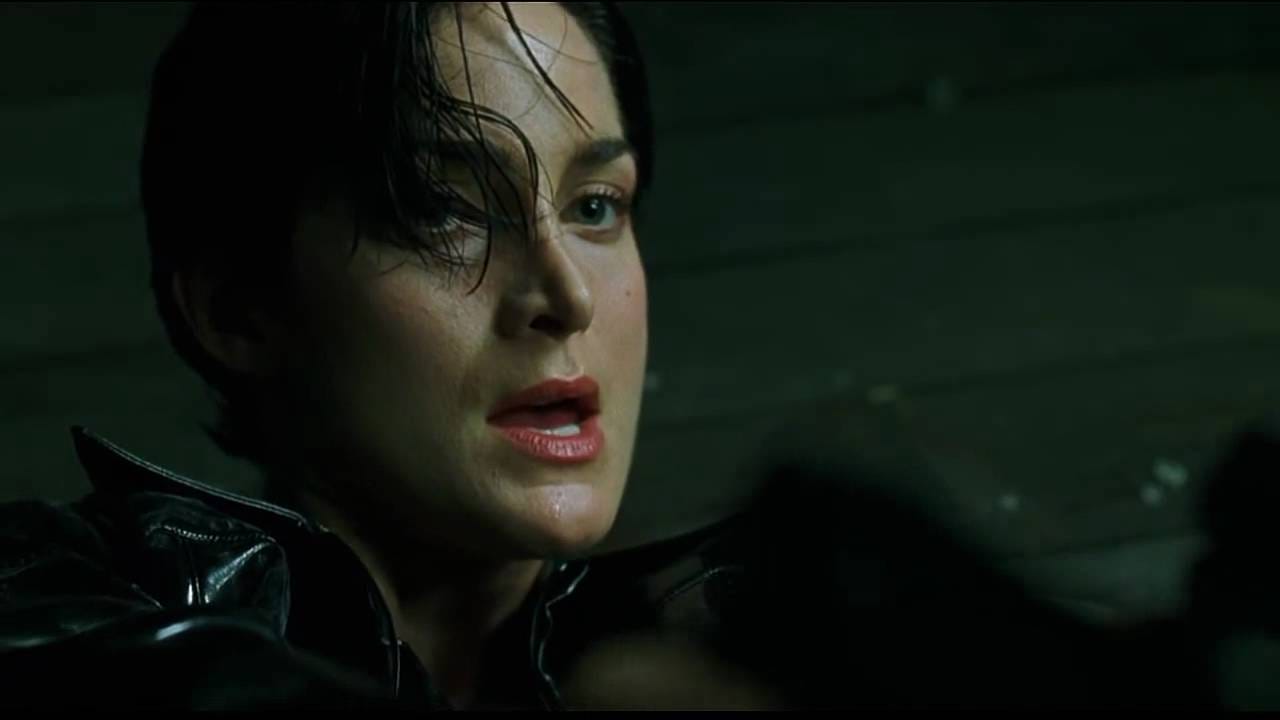
Time is a mystery, especially in a screenplay. As writers we can leap through decades from one scene to the next. Or we can stretch a moment into minutes of screen time, page after page unfolding the action in slow-motion, the same event visualized from multiple points of view. Indeed each scene has its own rhythm. They can flash by like this one from The Matrix:
INT. HEART O' THE CITY HOTEL
The Big Cop flicks out his cuffs, the other cops holding a bead. They've done this a hundred times, they know they've got her, until the Big Cop reaches with the cuffs and Trinity moves —
It almost doesn't register, so smooth and fast, inhumanly fast.
The eye blinks and Trinity's palm snaps up and the nose explodes, blood erupting. Her leg kicks with the force
of a wrecking ball and he flies back, a two-hundred-fifty pound sack of limp meat and bone that slams into the cop farthest from her.Trinity moves again, BULLETS RAKING the walls, flashlights sweeping with panic as the remaining cops try to stop a leather-clad ghost.
A GUN still in the cop's hand is snatched, twisted, and FIRED. There is a final violent exchange of GUNFIRE and when it's over, Trinity is the only one standing.
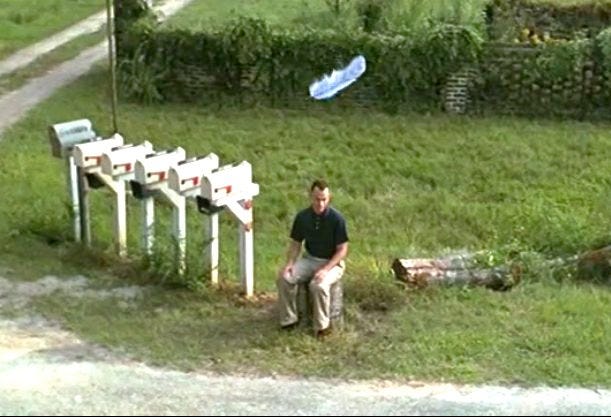
They can also tick by quietly like the final moments in Forrest Gump:
Forrest Jr. looks over and waves to his father. Forrest nods approvingly.
Forrest Jr. gets on the bus. The bus pulls away. Forrest stands next to the mailbox.
Forrest sits down. The camera cranes down, revealing the feather as it lies at Forrest's feet.
A gust of wind picks the feather up. The feather floats up into the air.
Forrest sits at the side of the road. The feather floats higher into the air.
The feather soars up into the sky and travels up and down, then covers the camera lens.
Now consider these narrative devices: Flashback, Flashforward, Set-Up / Payoff, Callback, Montage, Series of Shots, Cross Cut, Visual-to-Visual Transition, Audio-to- Audio Transition, Pre-Lap. All related directly to managing time in a screenplay.
This combination — the malleability of time and the variety of time-related narrative tools — means that Time is one of the most powerful resources at a screenwriter's disposal.
That is if we understand how to think about and use it.
Where to start? With one of my Core Screenwriting Principles:
Time = Present
When we think of screenplay time, we must always ground it in the moment.
This is the starting point for my upcoming one week online class, the eighth and final course in my Core curriculum on screenwriting theory, this one focusing on TIME.
The class features six lectures written by me:
Lecture 1: Present: Being in the Moment and Writing in the Moment
Lecture 2: Present-Past: Backstory and Nonlinear Storytelling
Lecture 3: Present-Future: Destiny and Narrative Drive
Lecture 4: Set-Ups, Payoffs, and Callbacks
Lecture 5: Montage and Series Of Shots
Lecture 6: Flashback and Flashforward
In addition to The Matrix and Forrest Gump, other study scripts include Citizen Kane, (500) Days of Summer, Back to the Future, The Sixth Sense, Ordinary People, The Hangover, Bull Durham, and Pulp Fiction.
WHO SHOULD TAKE THIS COURSE
Screenwriters, TV writers, novelists, and playwrights who want to learn the multitude of ways you can manage time to make your storytelling more entertaining and compelling.
My Core class on Time begins Monday, November 14 and it is the only time I will be offering it in 2016. To learn more, go here.
As always, I look forward to the opportunity to work with you!
How to Write Slow Motion Into a Script
Source: https://gointothestory.blcklst.com/the-manipulation-of-time-in-a-screenplay-45dd23ff0b35
0 Response to "How to Write Slow Motion Into a Script"
Enregistrer un commentaire